About The Save The '220 Project
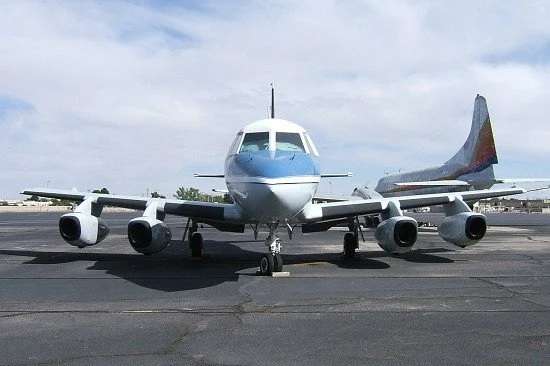
The Save The '220 Project is dedicated to preserving the world's only McDonnell Model 220 prototype — a rare piece of aviation history that deserves to be preserved, documented, and shared with future generations.
The McDonnell 119/220
One of a Kind
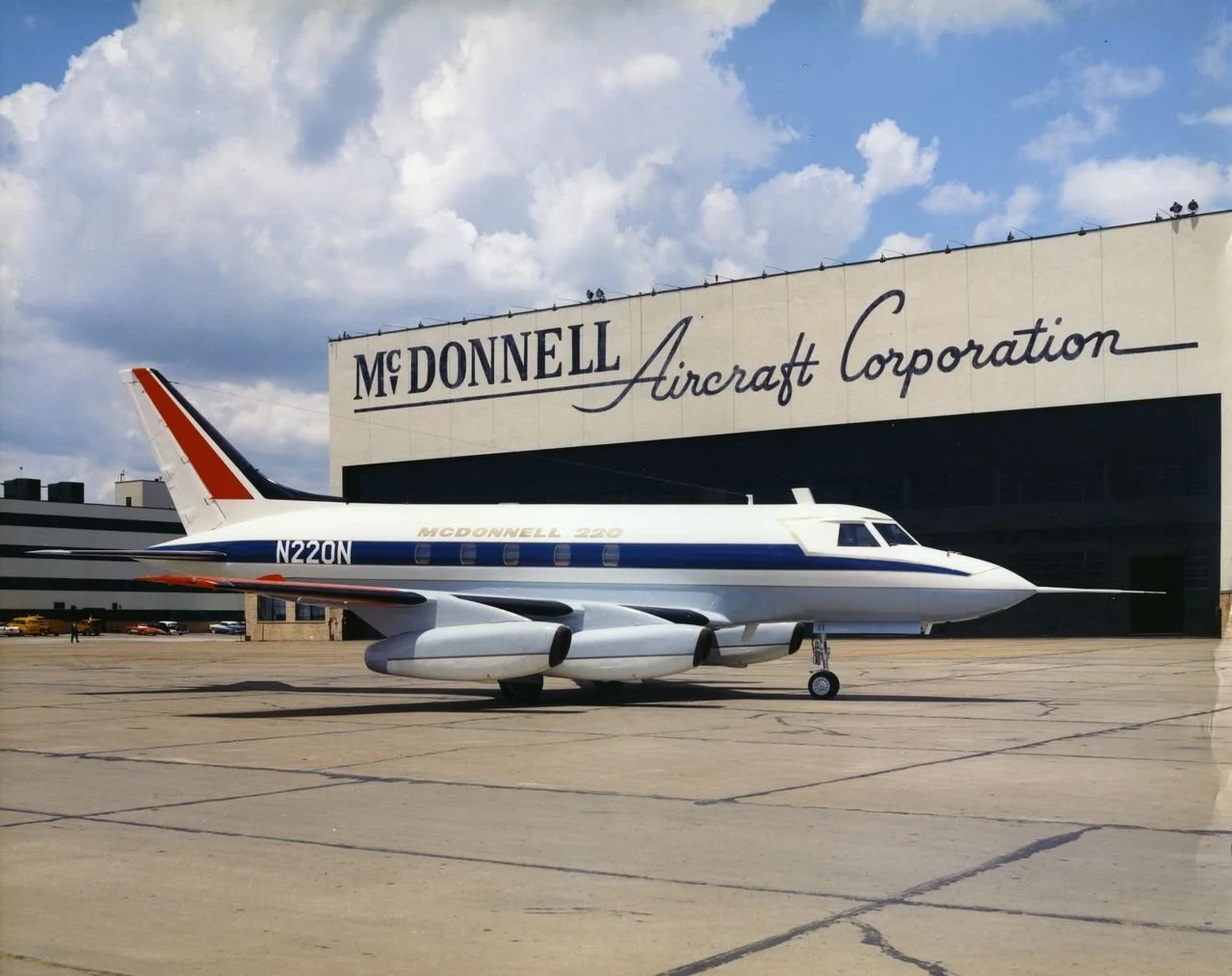
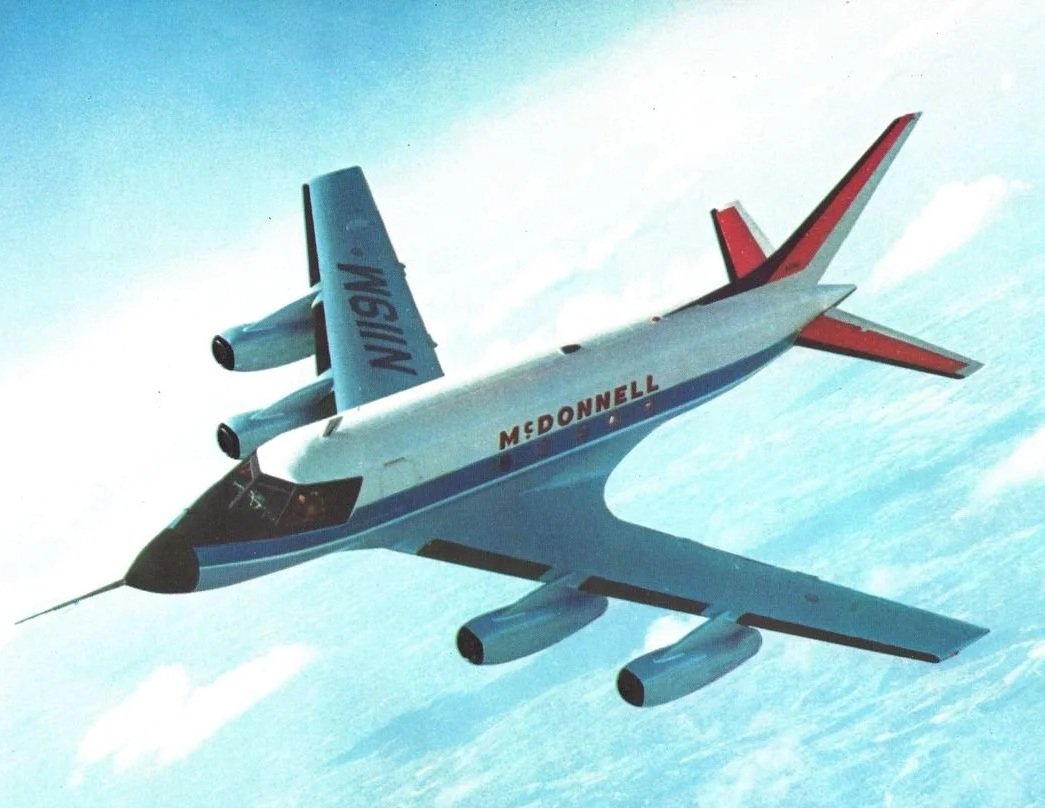
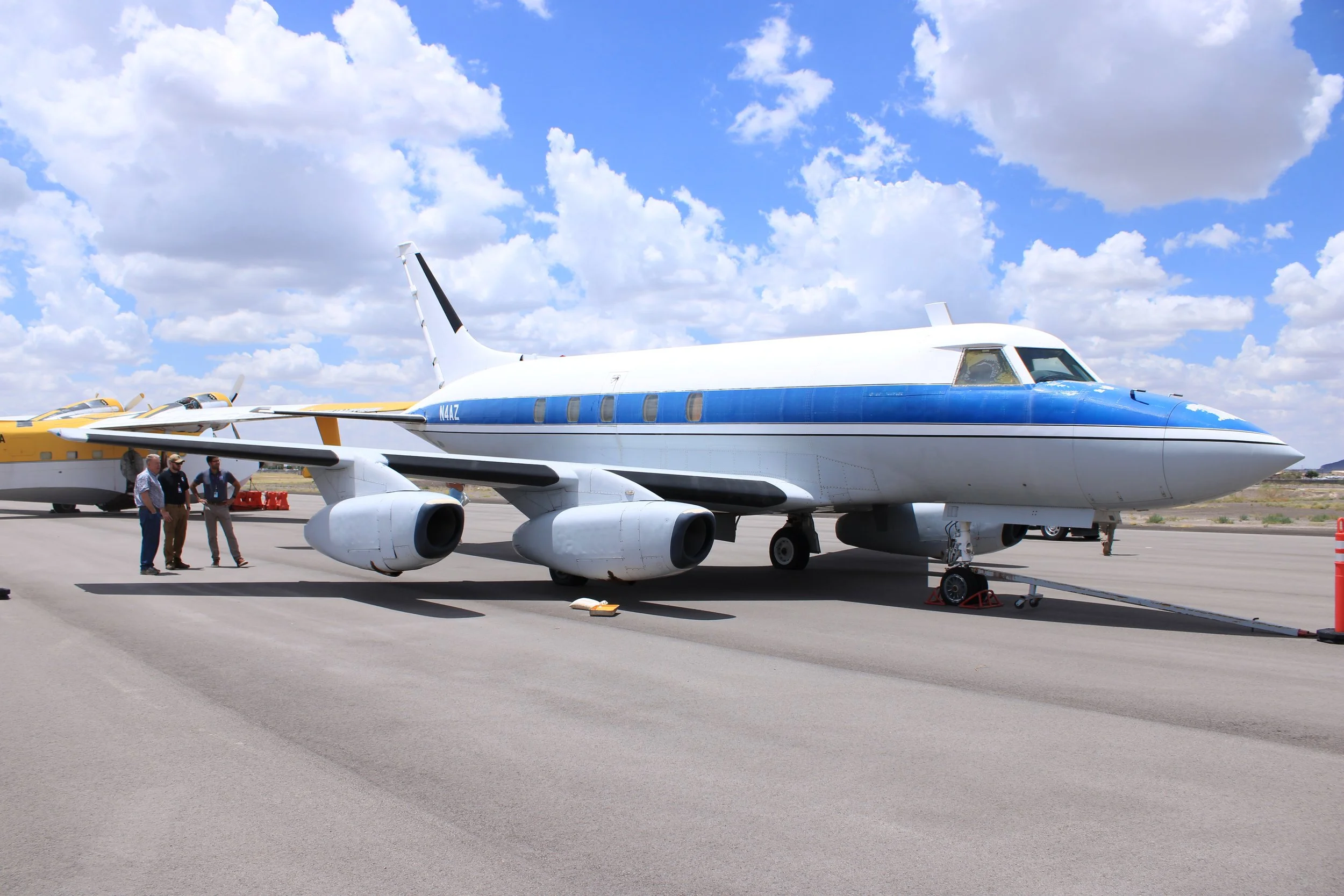
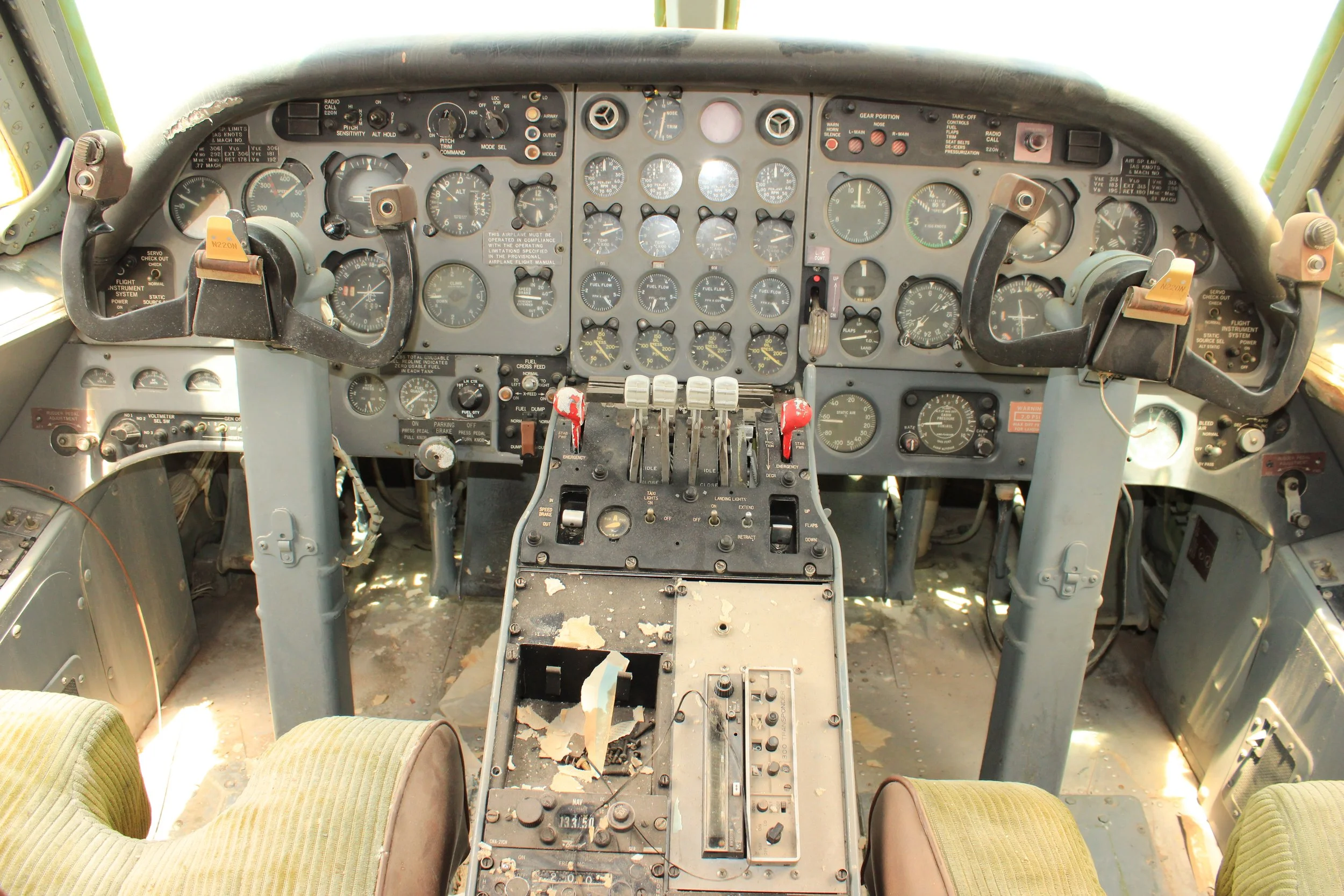
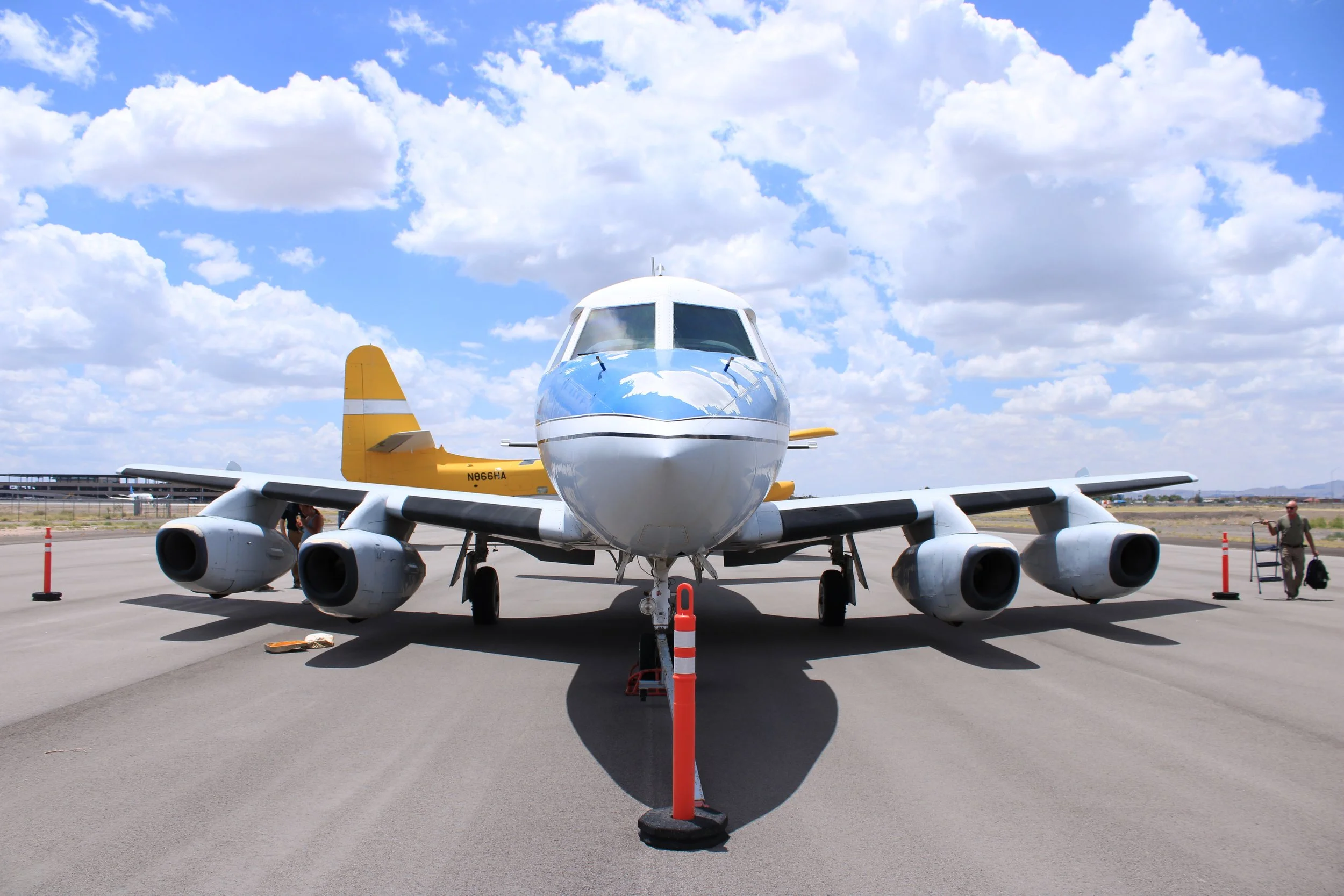
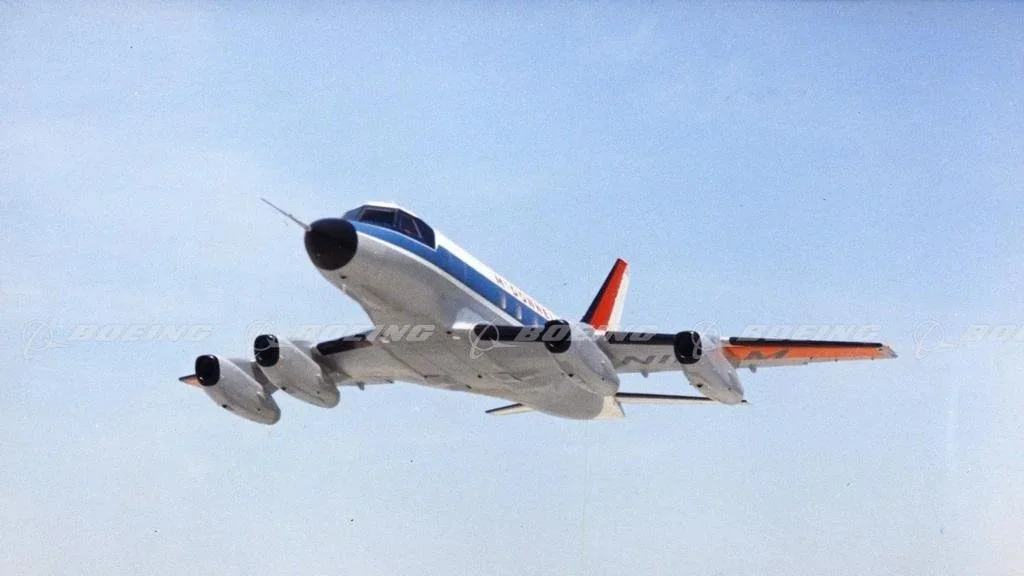
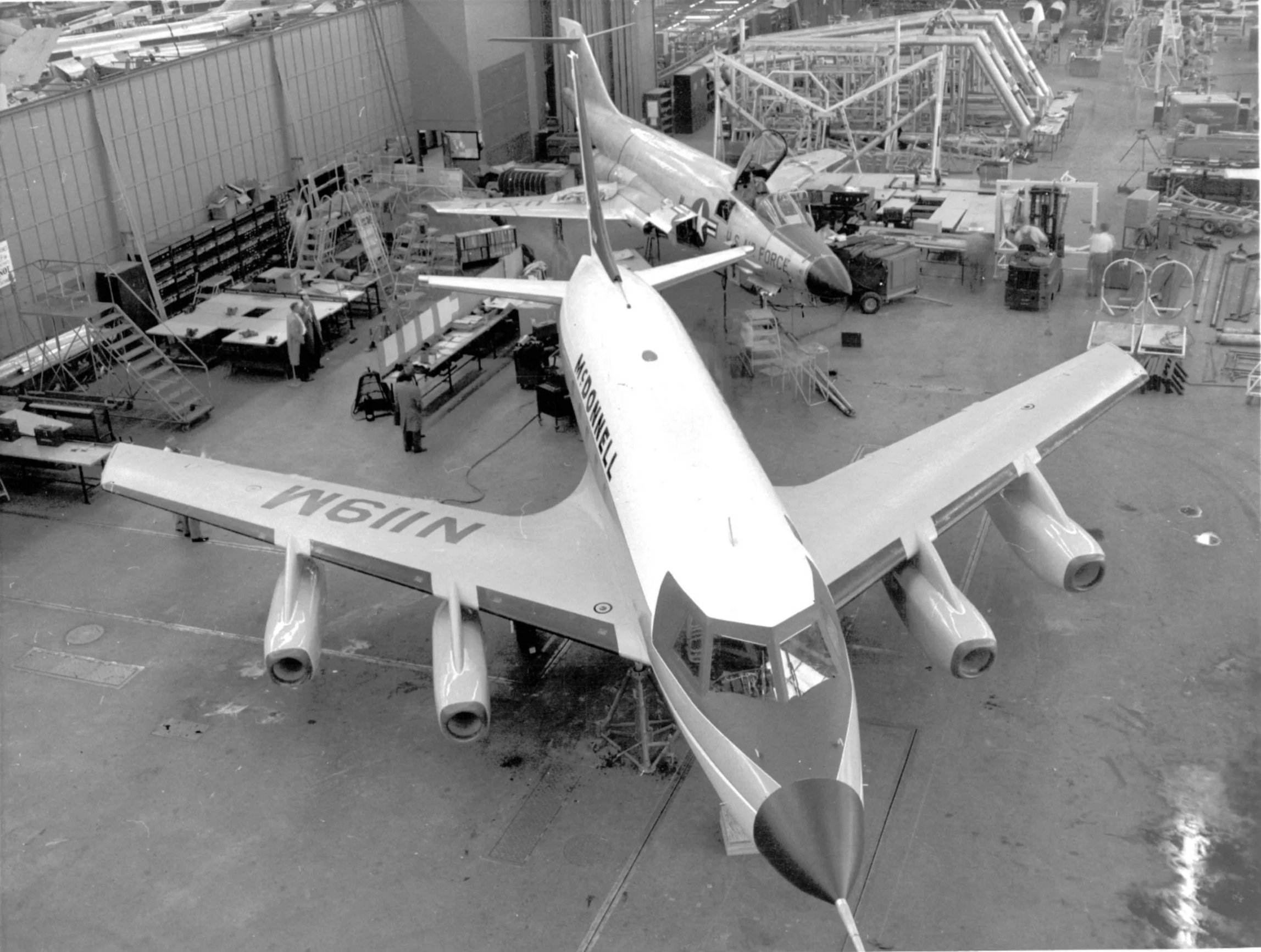
The McDonnell Model 220 is a one-of-a-kind aircraft — the only prototype ever built. Designed in the late 1950s for a United States Air Force design competition, it lost that competition to the Lockheed Jetstar. Following the competition, McDonnell Aircraft Corporation of St. Louis, Missouri, received FAA certification of the type in October 1960. In the process, it became the first business jet ever certified anywhere in the world. It was the only civil aircraft designed and produced by the McDonnell Aircraft Corporation before its merger with Douglas, and represents a significant stepping stone in the history of civil aviation.
68 Years of History
For five years, McDonnell attempted to market the aircraft, at one point attracting interest from Pan American World Airways, but no firm orders materialized. As a result, only one aircraft was ever produced. In 1965, it was sold to the Flight Safety Foundation, which intended to use it for crash testing. Thankfully, that plan was never acted upon, and the aircraft was eventually sold to a private owner who operated it based out of the American Southwest for a number of years.
27 Years in the Desert
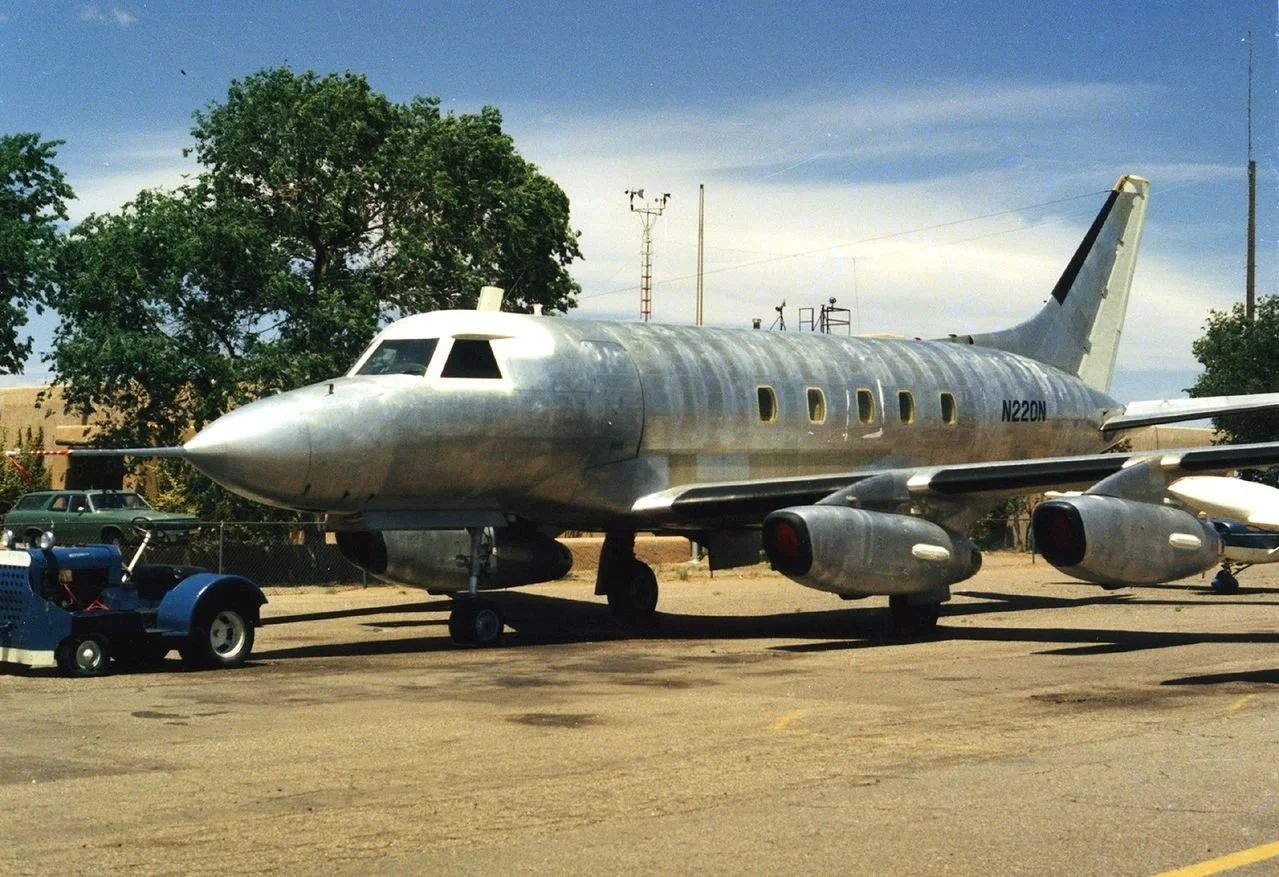
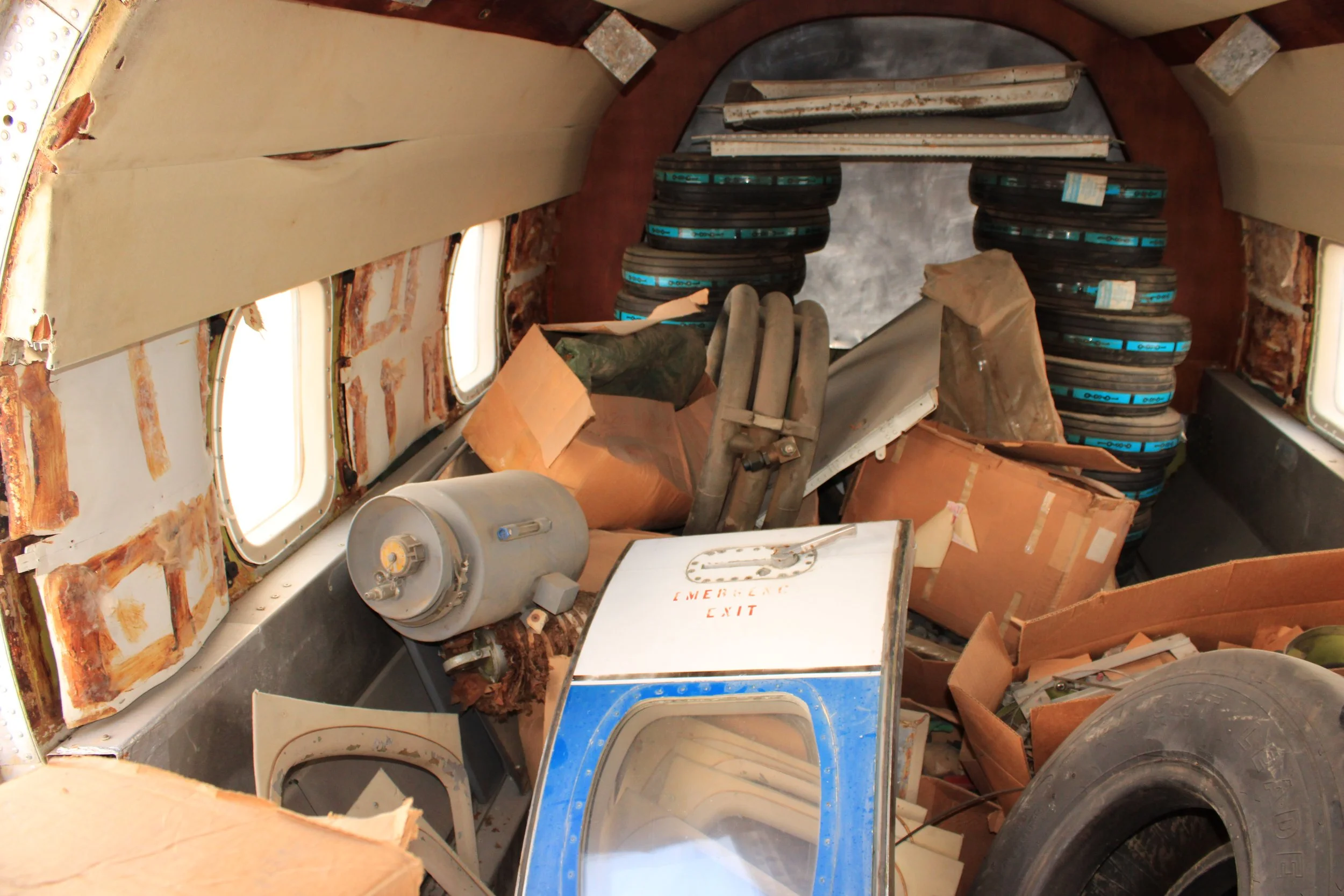
Our best records indicate that the 220 last flew sometime in 1998, landing at El Paso International Airport to never fly again. Efforts were made for a number of years to restore it to flight, but ultimately the years of neglect and exposure to the desert climate took their toll on the airplane. Eventually, the last owner of the aircraft, FuelFresh Inc., donated it to the city of El Paso, TX, on the condition that efforts be made to preserve it for future generations.
The Save The ‘220 Project is leading that effort, to ensure that the airplane can be admired and appreciated by pilots, engineers, and enthusiasts the world over. It is our hope that eventually our efforts see the airplane moved to a permanent museum home, and is an inspiration to future generations that History Is Worth The Effort!
Why It Matters
Irreplaceable Heritage
Aviation history is fragile. Once lost, it cannot be recovered. The McDonnell Model 220 represents a chapter of American ingenuity that belongs in a museum - not forgotten in a desert, or worse, cut up for scrap. That is what we are here to fight for. We are here to honor the legacy of the people and machines that laid the foundation for all of us today.
Educational Legacy
As a one-off prototype, the McDonnell 220 represents a pivotal moment in aviation history. It is the culmination of over 50 years of aviation innovation, and represents the opening of the first chapter in business aviation. Preserving it will inspire the next generation of aviation innovators to pursue bold endeavors and new ideas that will form the foundation of the NEXT chapters in aviation history.
Urgent Action Needed
Future generations of aviation enthusiasts, historians, pilots, and engineers deserve the chance to see and admire this aircraft firsthand. If we don’t act quickly, they may not have that chance.
What We've Accomplished
Aircraft Located & Documented
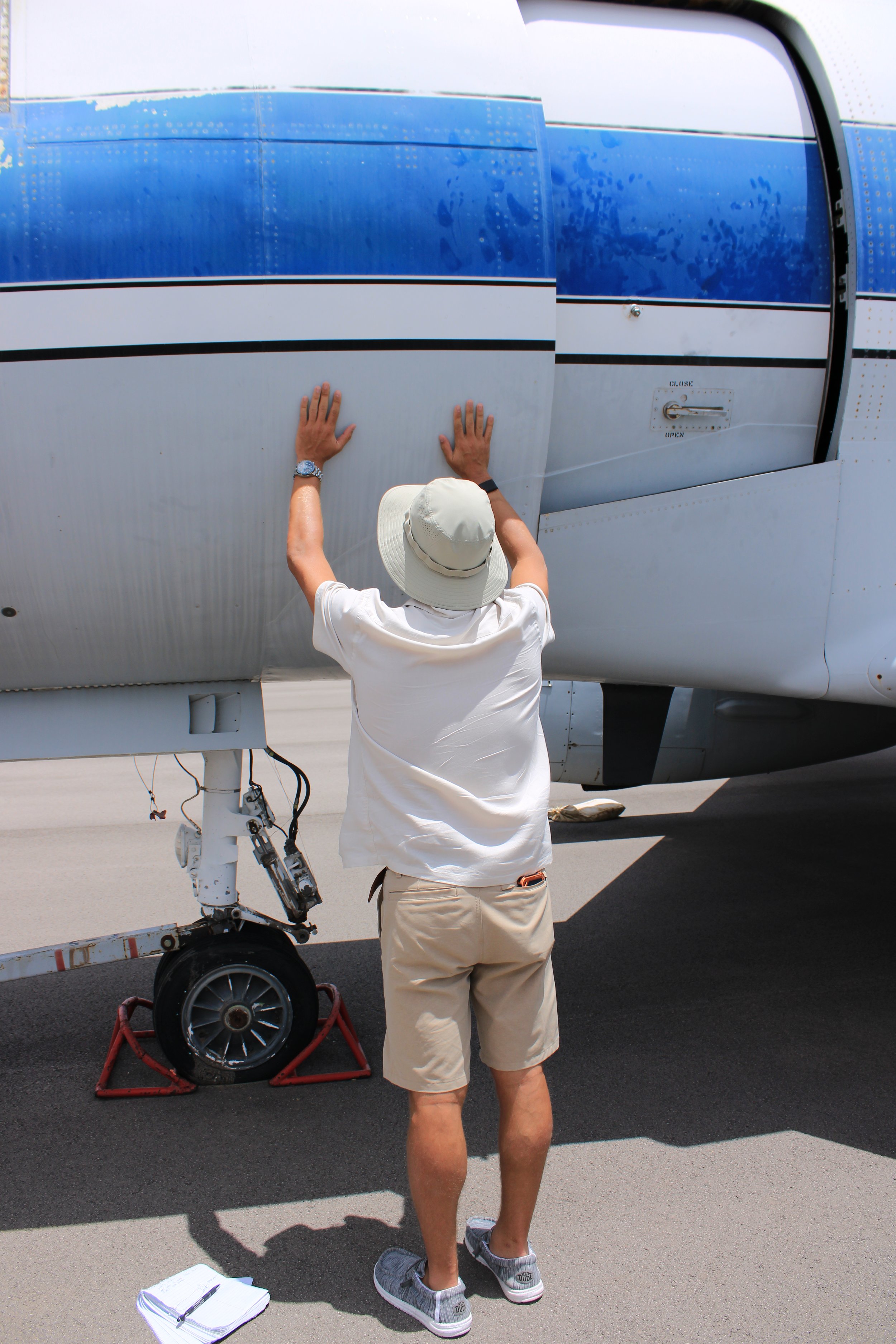
The Model 220 has been found, photographed, and fully documented — establishing a baseline for the restoration effort. We have conducted a comprehensive site survey and feasibility study in partnership with an aircraft recovery expert.
Community & Awareness Built
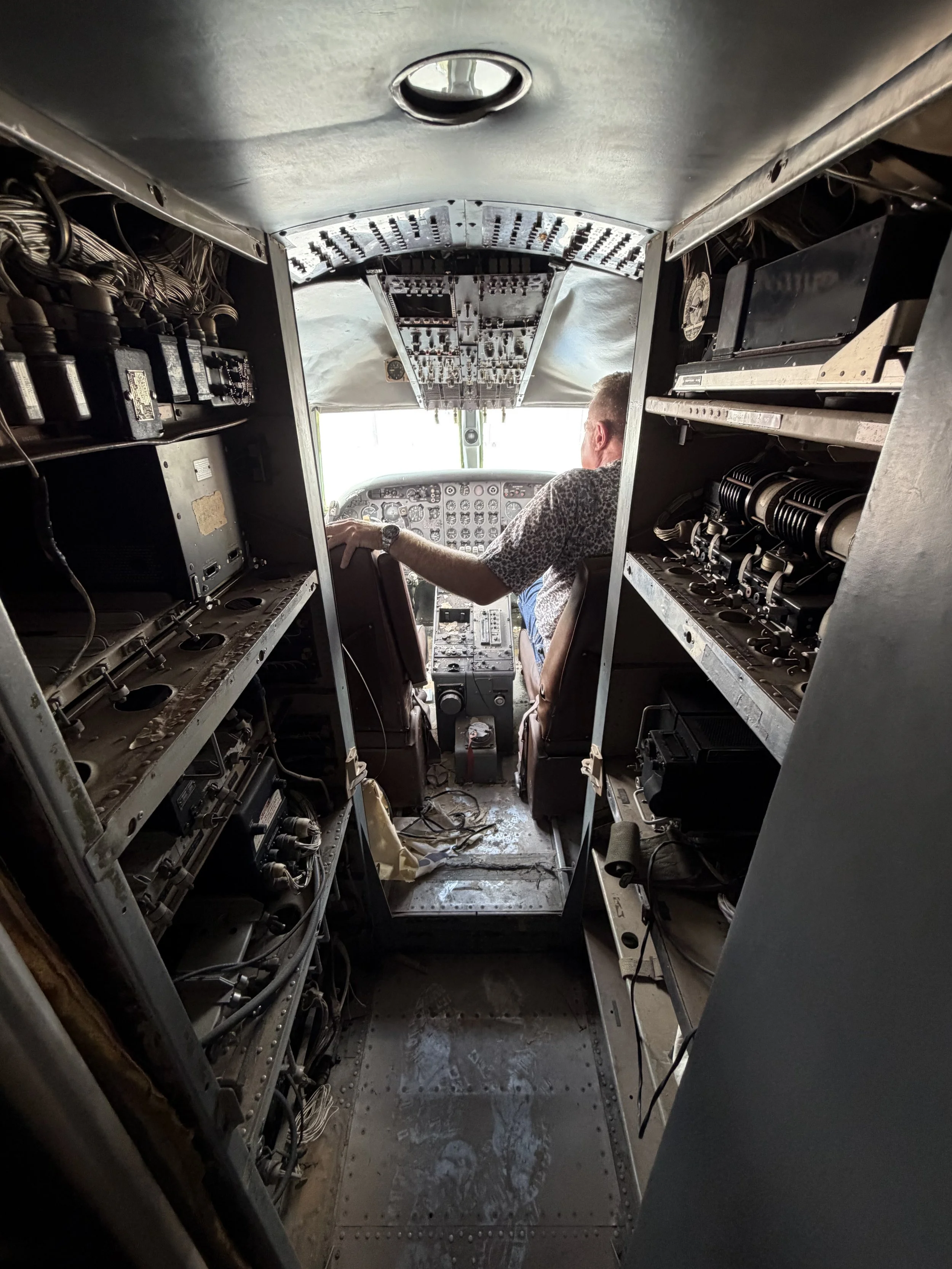
A growing network of aviation enthusiasts, historians, and supporters has rallied around the mission to save this aircraft. Their contributions culminated in the location and archival of the McDonnell 220 Prototype Design Book; a collection of original design work and blueprints from The McDonnell Aircraft Corporation, produced nearly 70 years ago.
Preservation Plan Underway
A detailed preservation and restoration roadmap is in development, with key milestones identified and partnerships being formed. Critical details required for disassembly and transportation have been confirmed. We are actively coordinating with the City of El Paso and museum professionals.
Our Team
Anthony West
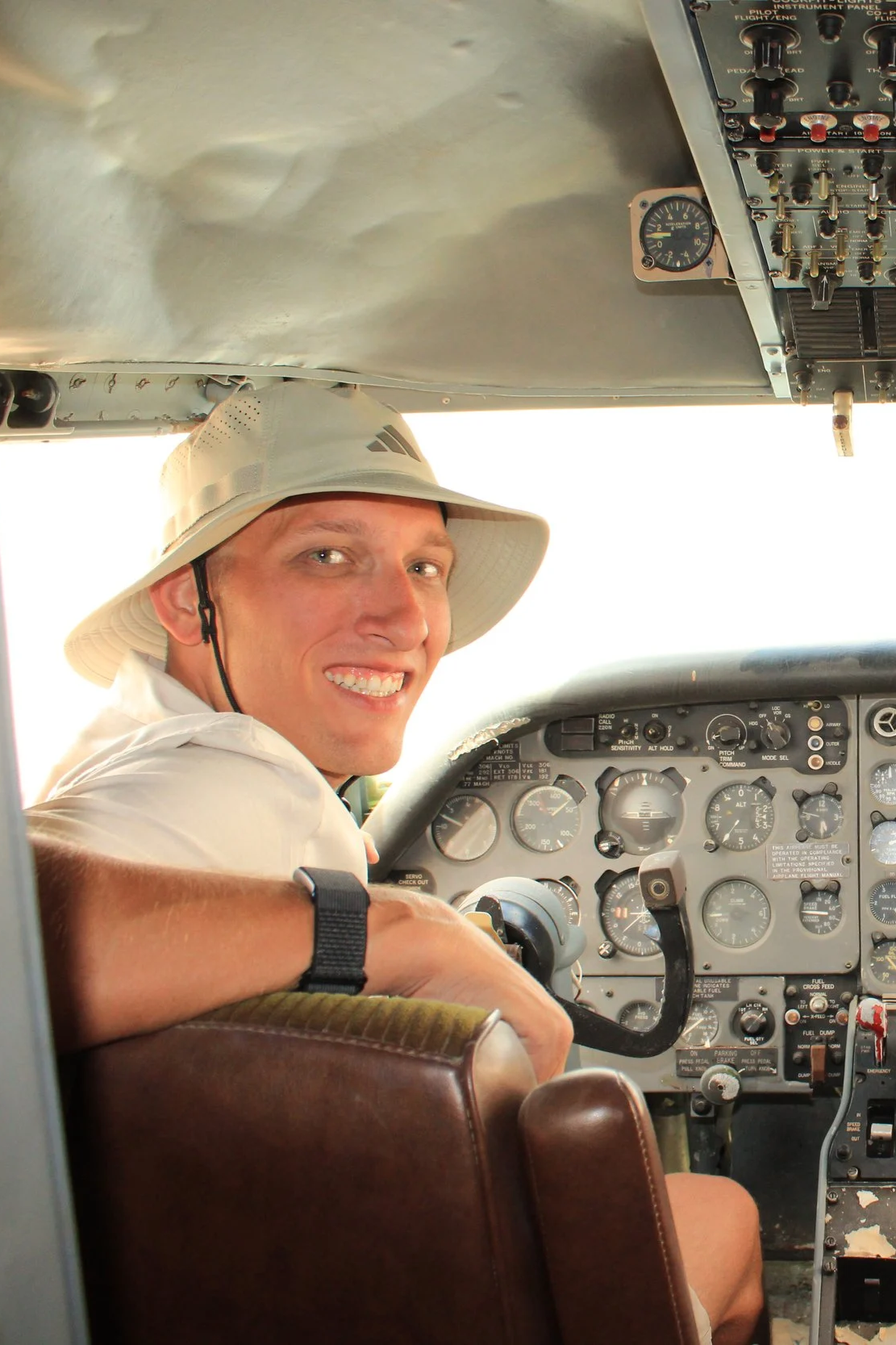
Anthony West is an airline pilot and lifelong aviation history enthusiast who founded the Save the 220 Project to preserve the world's only McDonnell Model 220. His passion for the aircraft began nearly a decade before the project itself, when he first encountered the airplane in El Paso and recognized its historical significance. Today, he leads a growing team of volunteers, museum professionals, former Model 220 crew members, and preservation experts working to ensure this unique piece of aviation history is saved for future generations. Anthony believes that preserving historic aircraft is about more than protecting aluminum—it is about honoring the people who designed, built, flew, and maintained them while inspiring future generations to appreciate aviation's rich heritage.
Founder & Project Coordinator
Brad Donner
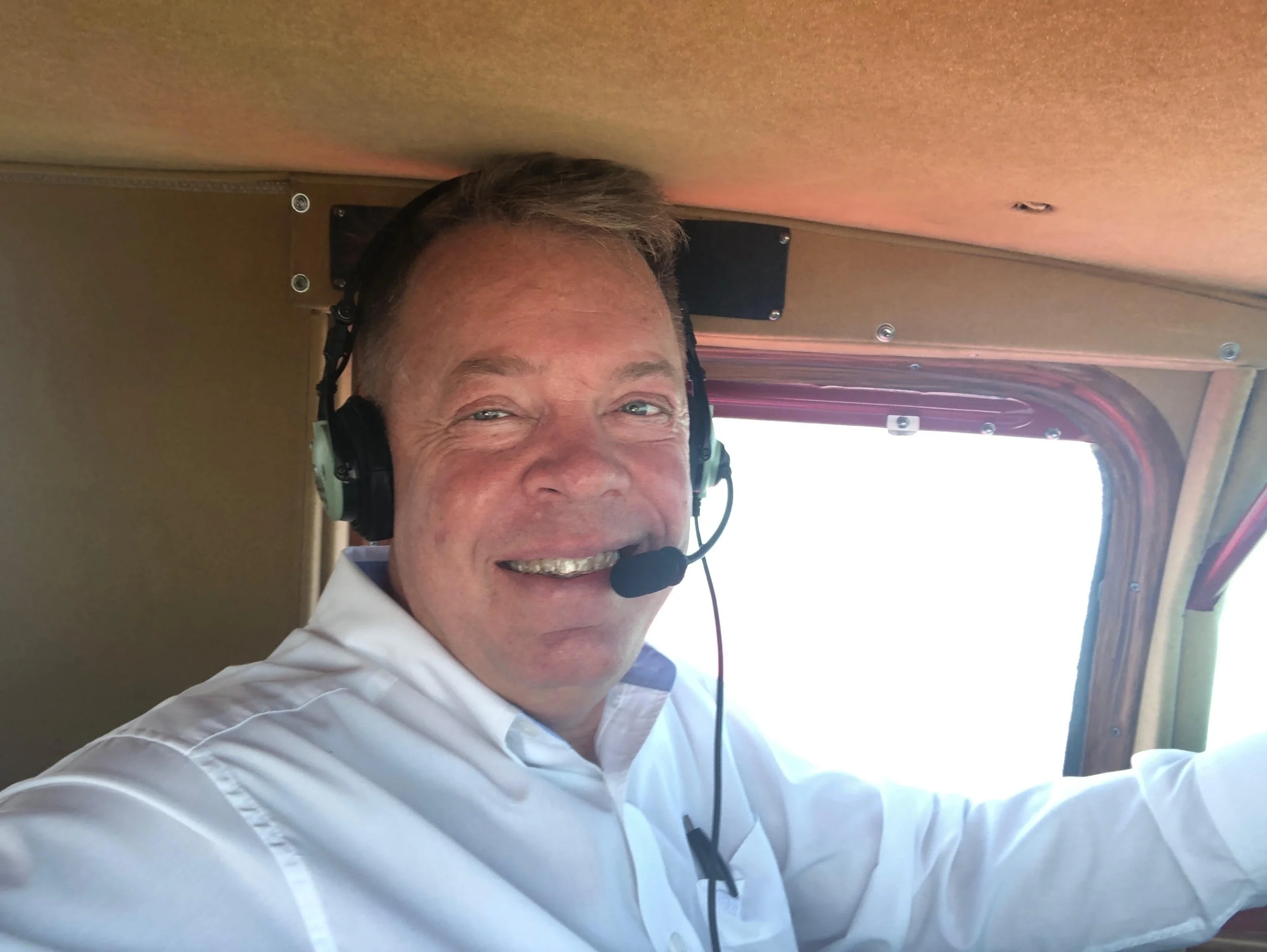
Brad Donner is a seasoned airline captain with decades of aviation experience, as well as the last pilot to fly the McDonnell 220 in 1998. He worked closely with former owners, mechanics, and other personnel in the airplane’s day-to-day operations. Additionally, he owns and maintains his own vintage aircraft. His knowledge, contacts, and expertise on the McDonnell 220 are an invaluable contribution to the project. He serves not only as a technical advisor, but as a living connection to the aircraft, bringing life to the project and providing resources beyond measure. He believes that preserving history such as this is paramount to not only honoring the past, but charting the map for generations of future aviation professionals.
Chief Historical Advisor
Abigail Brinker
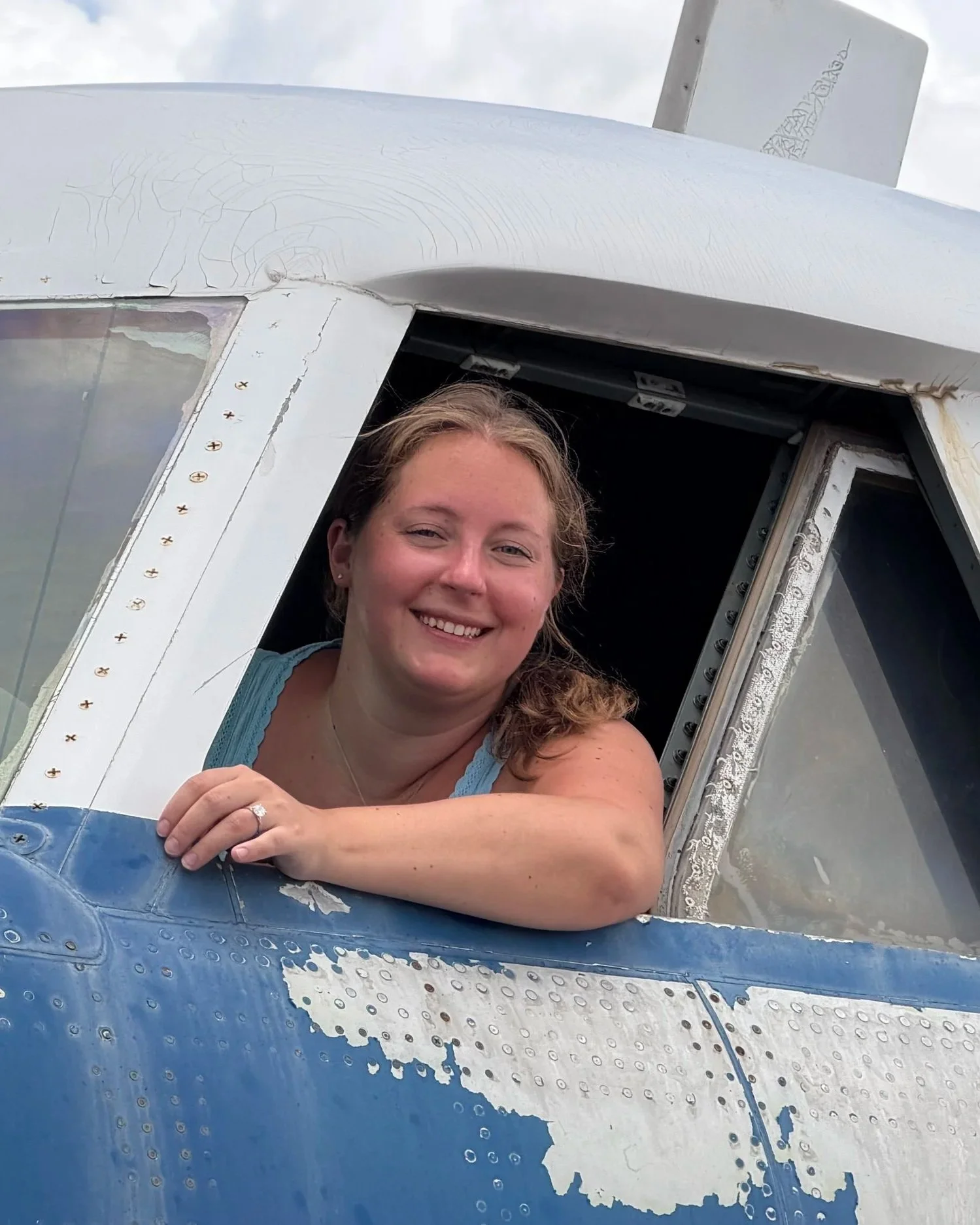
As Lead Archivist and Lead Photographer for the Save the 220 Project, Abigail Brinker is responsible for preserving both the aircraft's history and the story of the effort to save it. She leads the photographic documentation of the aircraft, original engineering drawings, historical artifacts, and every major milestone of the project while organizing and preserving thousands of images and records. Her work is creating what will become the definitive digital archive of the McDonnell Model 220, ensuring that this remarkable chapter of aviation history is preserved for researchers, museums, and future generations.
Lead Archivist
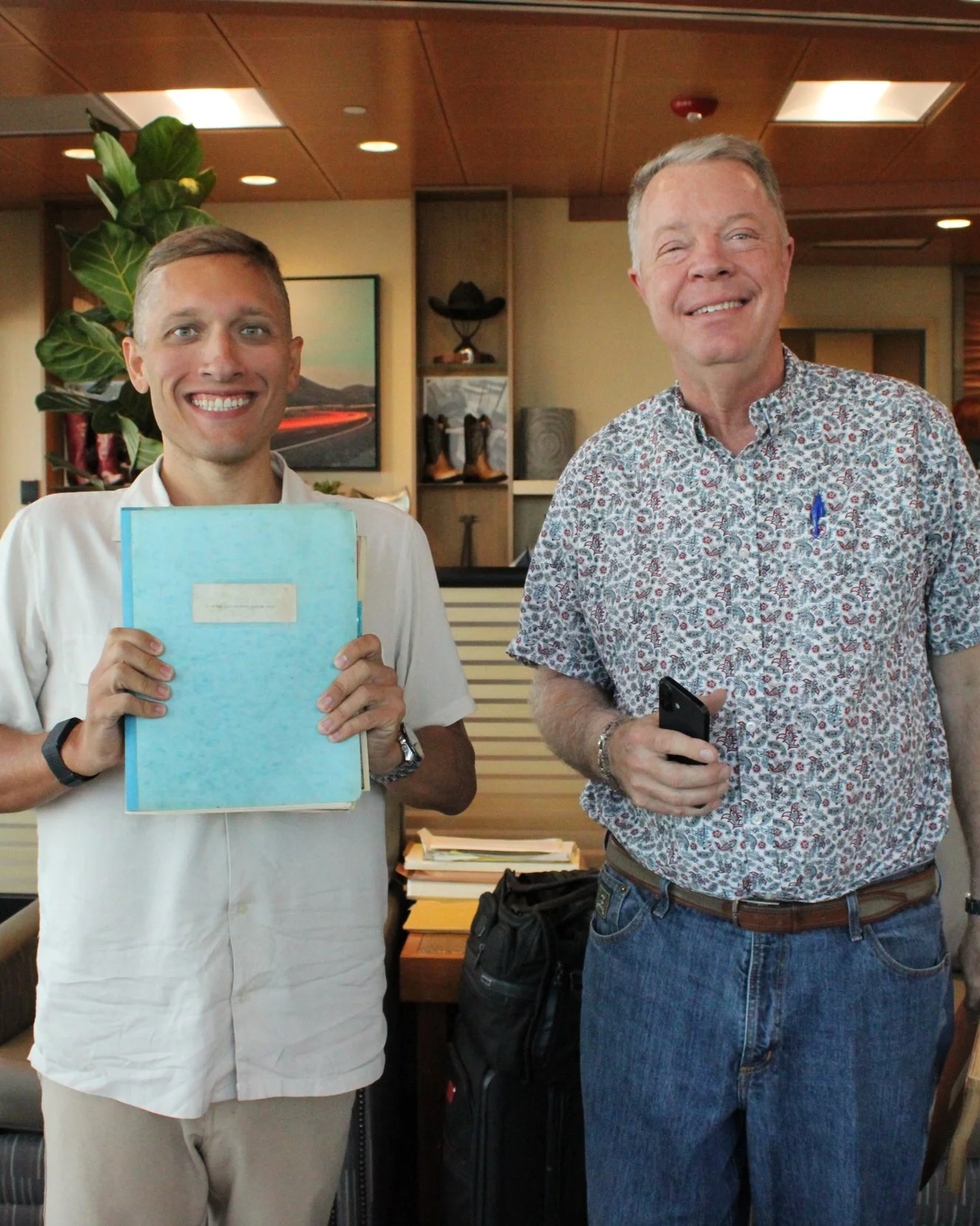
The moment that everything changed: Anthony West and Brad Donner holding the McDonnell Model 220 Prototype Design Book
Looking Ahead
The road ahead is ambitious — but the mission is clear. The Save The '220 Project is working toward securing a permanent museum home for the aircraft, completing a full structural assessment, and considering a public fundraising campaign to fund restoration. Every step forward brings this piece of history closer to being preserved for generations to come.
Want to Get Involved?
The Save The '220 Project depends on the support of people who care about aviation history. Whether you're a historian, a pilot, mechanic, or simply someone who believes this aircraft deserves to be saved — there's a place for you in this mission. Reach out and let's talk about how you can help.
Connect With Us to Support Preservation Efforts
Do you have information, contacts, expertise, or simply want to know more about the project? Reach out to us using the form below. We’re excited to hear from you!